
Solar Readiness
The first sign your home may be ready for solar is a consistent electricity bill. Solar works best when there is enough usage to offset, especially if your home relies heavily on cooling, heating, appliances, EV charging, or daytime work-from-home energy use.
Before looking at panel counts or system size, review your last 12 months of electricity bills. A full year gives a clearer picture of seasonal usage, peak months, and how much of your grid power solar could realistically replace.

Roof Condition
Solar panels are built for long-term performance, so your roof should be in good enough condition to support the system for decades. If the roof is near the end of its life, it may make sense to repair or replace it before installation.
A proper site audit should review roof age, structure, available surface area, pitch, and any visible damage. The goal is simple: avoid installing a long-life solar system on a roof that may need major work soon.

Sun Exposure
Your home does not need all-day direct sunlight to be a strong solar candidate. East, west, and south-facing roof sections can all work depending on your location, energy use, and utility rates.
What matters most is the production model. A professional design should account for shade from trees, chimneys, nearby buildings, and roof structures before estimating savings.
Key things to check:
Roof direction: Strong exposure improves production, but multiple roof faces can still perform well.
Shading: Heavy shade can reduce output, especially during peak production hours.
Usable roof space: The system needs enough clear area for the right number of panels.
Annual sunlight: A proper model should show expected production across the full year, not just summer.
Battery Storage
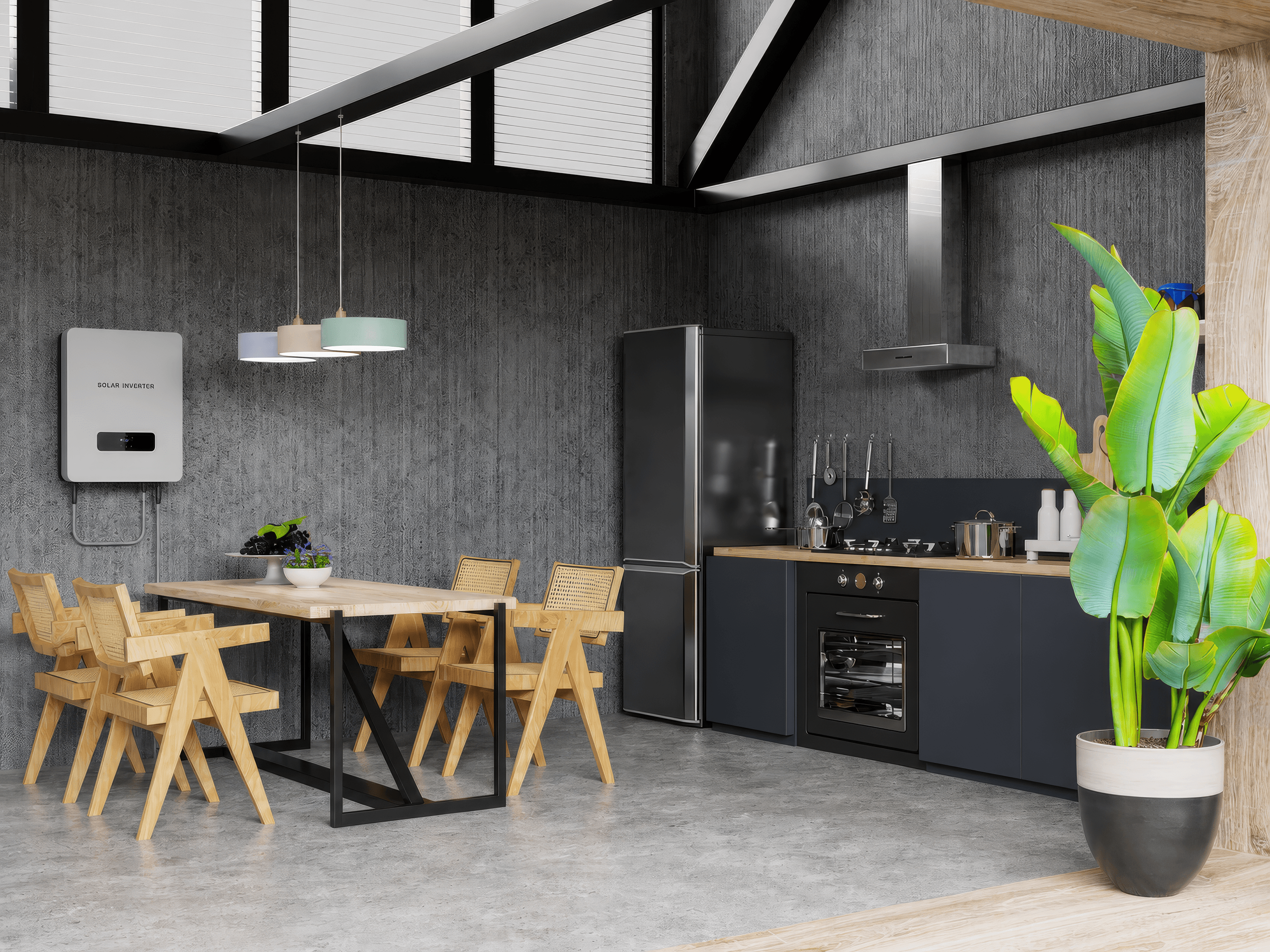
Not every solar home needs a battery. If your main goal is to reduce monthly electricity costs, rooftop solar alone may be enough. But if your home experiences outages, uses more energy at night, or sits on time-of-use utility rates, battery storage can make the system more useful.
A battery lets you store excess solar power during the day and use it later when grid power is more expensive or unavailable.

The Numbers
Your home may be technically ready for solar, but the investment still needs to work financially. A good proposal should show system cost, incentives, financing, estimated yearly production, monthly savings, payback period, and long-term savings.
Avoid vague promises. The right solar plan should be based on your real bill, your roof, your location, and your expected energy usage — not a generic estimate.

Final Check
A home is usually a strong fit for solar when it has steady electricity usage, a healthy roof, useful sun exposure, limited heavy shading, and a clear financial case.
You do not need to know every technical answer before getting started. A good solar provider should help you confirm the details, explain the tradeoffs, and show whether the system is worth it before you commit.

If your roof, bill, and sunlight line up, you’re ready to see what solar could save you.
Maya & Jordan H.
Homeowners · Springfield, 9.6 kW
